About Us
The Virginia Partnership for Gaming and Health (VPGH) at Virginia Commonwealth University aims to inspire hope, build support, and foster solutions that empower every Virginian seeking to transform their lives from problem gambling. VPGH is funded by the Virginia Department of Behavioral Health and Developmental Services (DBHDS) and also partners with the Virginia Council on Problem Gambling so eligible Virginia Problem Gambling Helpline callers (and others) receive direct referrals for treatment and recovery services in their community. If needed, VPGH covers the cost of treatment to ensure every support seeker's recovery needs are met. VPGH provides no-cost, evidence-based training on problem gambling to its network of clinicians and peer recovery specialists.
Our Mission
Our mission is to inspire hope, build support, and foster solutions to empower every Virginian seeking to transform their lives from problem gambling. We are dedicated to promoting wellness and cultivating strong communities where individuals can thrive.
Our vision is to inspire hope, build support and foster solutions.
VPGH Goals
At Virginia Partnership for Gaming and Health (VPGH), we are dedicated to supporting Virginia residents on their journey to recovery. Our treatment and recovery model ensures everyone has access to the help they need. Here's how it works:
Our Treatment and Recovery Process:
Reach Out for Support
Complete our online referral form.
Connection with a Certified Peer Recovery Specialist (CPRS)
One of our VPGH staff Certified Peer Recovery Specialist (CPRS) will reach out within 24-48 hours.
Screening and Access to Services
Everyone seeking help can participate in further screening to identify the right treatment and recovery services. We ensure this step is inclusive and not dependent on your insurance status.
Coordinated Care
Your CPRS will coordinate your treatment and recovery process, connecting you to appropriate resources and services tailored to your needs.
Ongoing Support
Recovery is a journey, and we're with you every step of the way. Your CPRS will maintain regular follow-ups to ensure you stay on track and have the support you need.
For more information on joining VPGH's network of providers, please reach out to vpghinfo@vcu.edu.

Director of the Virginia Partnership for Gaming and Health
Professor, Rehabilitation Counseling


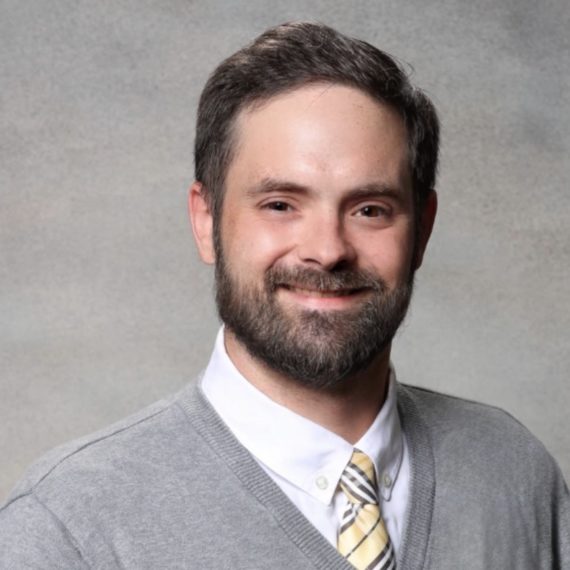
Azeem Majeed, Lead R-CPRS-PG, i-FPRS-Trainer, MARS-T
Lead Peer Recovery Specialist (Region 5)




FAQs
What is the Virginia Partnership for Gaming and Health?
The Virginia Partnership for Gaming and Health (VPGH) at Virginia Commonwealth University (VCU) serves as Virginia’s only statewide infrastructure for problem gambling awareness, treatment access, recovery support, workforce development, and research innovation. Funded by the Commonwealth’s Problem Gambling Treatment and Support Fund, VPGH ensures that as legalized gambling expands across Virginia, access to prevention, care, and recovery grows alongside it.
Our goal is clear: every Virginian has access to timely help, compassionate support, and sustainable recovery.
What is problem gambling?
Problem gambling (sometimes referred to as “gambling addiction” or “gambling disorder”) is gambling behavior that is damaging to a person or their family, often disrupting their daily life and career. Anyone who gambles can be at-risk for developing a gambling problem. Gambling disorder is a recognized mental health diagnosis.
Some warning signs of a gambling problem are:
- Thinking about gambling all the time.
- Feeling the need to bet more money and more often.
- Going back to try to win your money back (“chasing losses”).
- Feeling restless or irritable when trying to stop or cut down.
- Feeling like you can’t control yourself.
- Gambling despite negative consequences.
- In extreme cases, problem gambling can cause bankruptcy, legal problems, losing your job or your family, and thinking about suicide.
For more information on the American Psychiatric Association’s criteria for gambling addiction, visit DSM 5 at www.psych.org.
Source: National Council on Problem Gambling
Where can I get help for problem gambling in Virginia?
Virginia residents can access services and resources to get help for problem gambling by completing the online VPGH referral form. If you need immediate assistance then you can call the Virginia Problem Gambling Helpline at 888-532-3500.
Isn't problem gambling just a financial problem?
No. Problem gambling is an emotional problem that has financial and other consequences. Even if the person pays off their gambling debts, they can still have other problems caused by gambling. The only way to overcome problem gambling is to change harmful gambling habits, and social support and encouragement are a crucial part of that change.
Source: National Council on Problem Gambling
How much money do you have to lose before gambling becomes a problem?
The amount of money lost or won does not determine when gambling becomes problematic. While gambling can cause financial problems, it is not the only warning sign of a gambling problem. When gambling is interfering with an individual’s relationships, job, mental or physical health or any other area of life it is a problematic behavior.
Source: National Council on Problem Gambling
Are there problem gambling events in Virginia?
Yes. The best way to keep up with problem gambling events in Virginia is to subscribe to our newsletter. You can also access our events calendar which is frequently updated with new opportunities.